

We turn your idea into a custom, responsive website that looks great and drives results. Our team works with you from planning to launch to create a secure, high-performing site that supports your business goals.

The six-step process we use to decide what to write, from the questions your customers already ask you to the yearly refresh almost everybody skips.

How to build a page for every town you serve, what separates a real city page from a doorway page, and the schema that tells Google which town each is for.
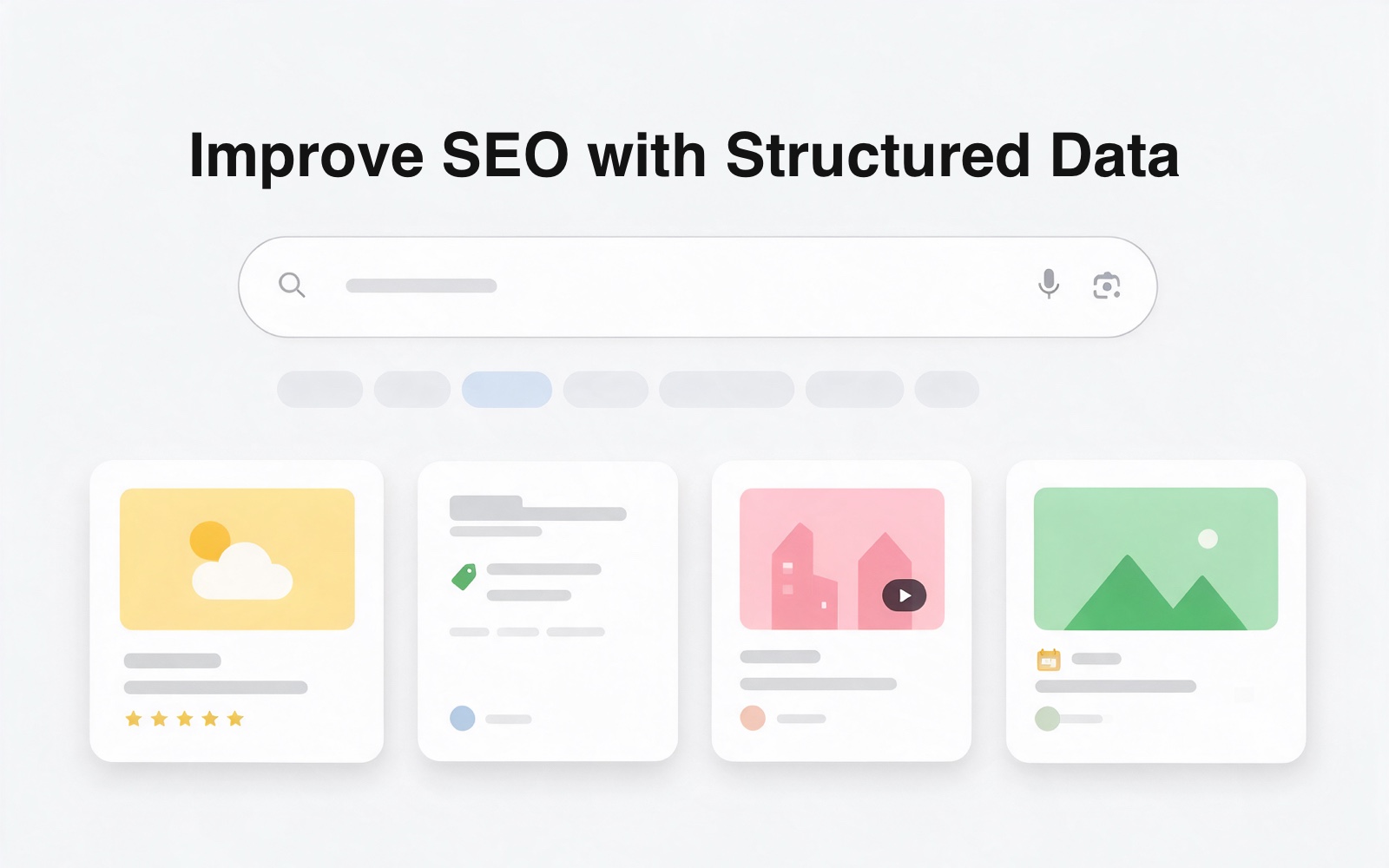
Structured data still works, but several rich results have been retired since 2019, including FAQ and HowTo. Here is what Google still supports, the self-serving review rule that catches people out, and working JSON-LD examples you can copy.
The nine-step process we use to get local businesses onto the first page in the towns they serve, from Google Business Profile to city pages and local schema.

Self-serving review stars stopped working in 2019. Here is who can still get them, and where your reviews actually show up in search now.
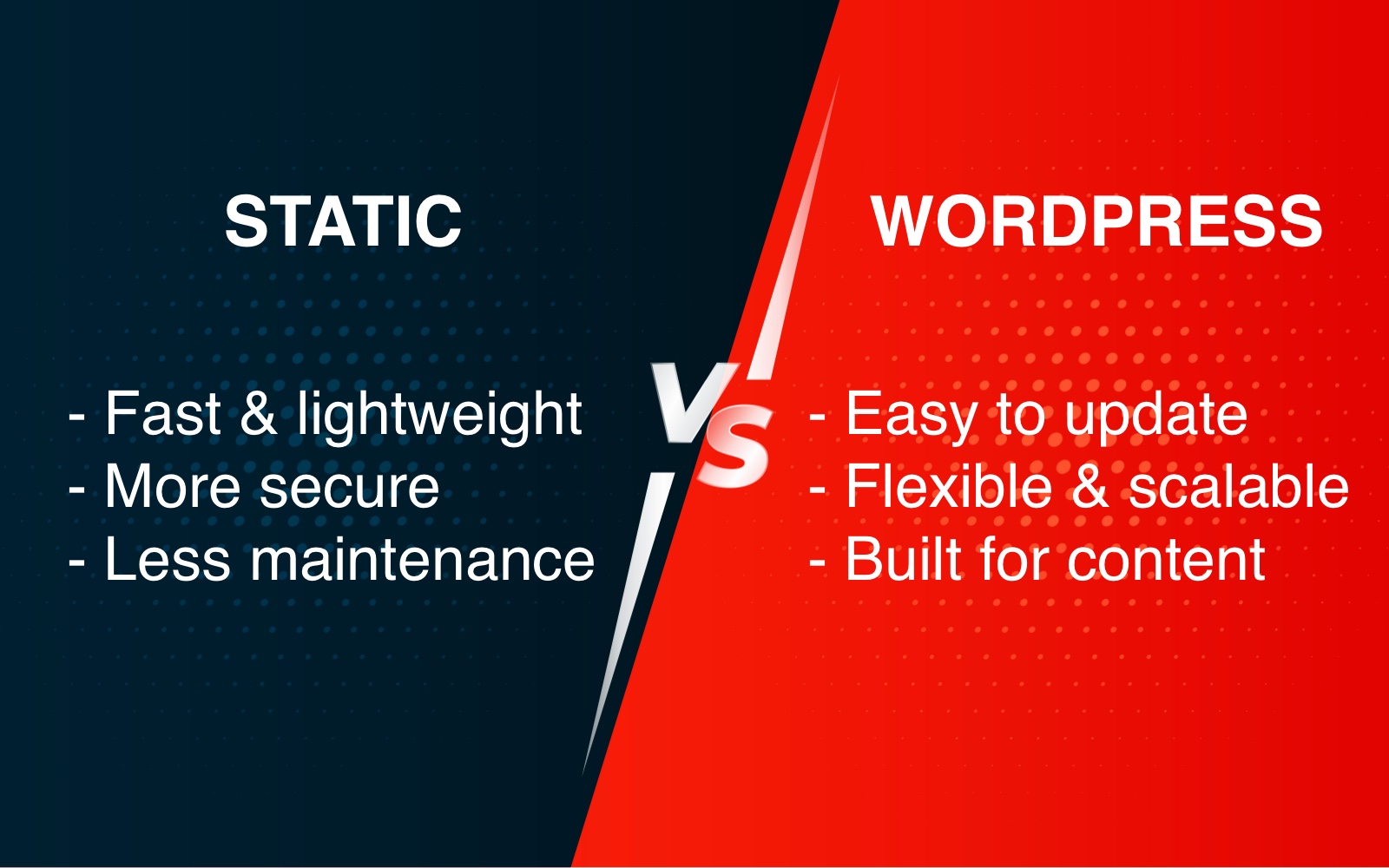
Static websites are not what they were. Automatic deployment, working contact forms, git-based editing interfaces, and AI coding assistants have closed most of the maintenance gap with WordPress. Here is how the two compare now, and which one fits your business.
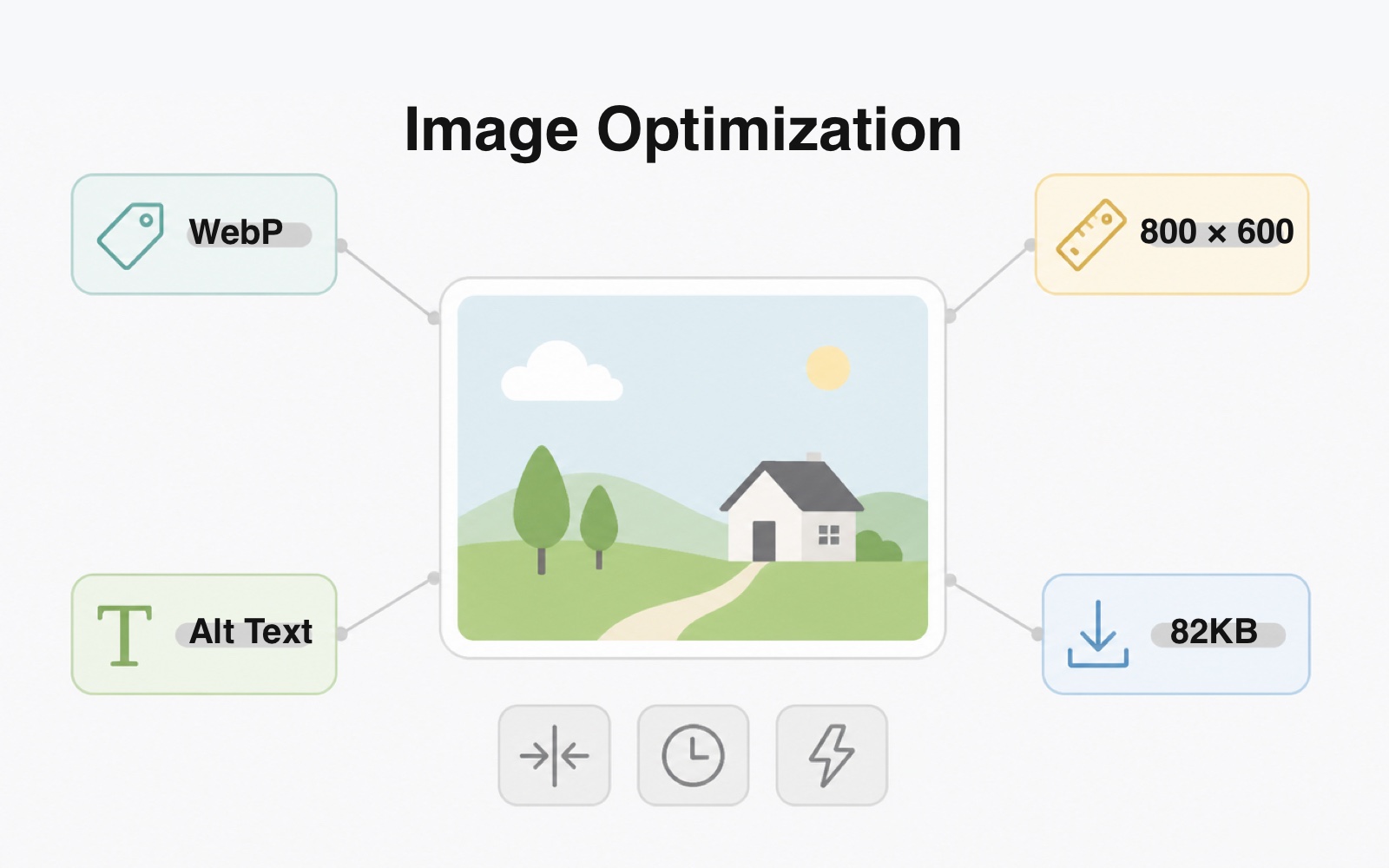
Image optimisation is page speed optimisation. Current formats including WebP and AVIF, realistic file size targets, alt text that actually helps, and the lazy loading mistake that slows down the one image Google measures.
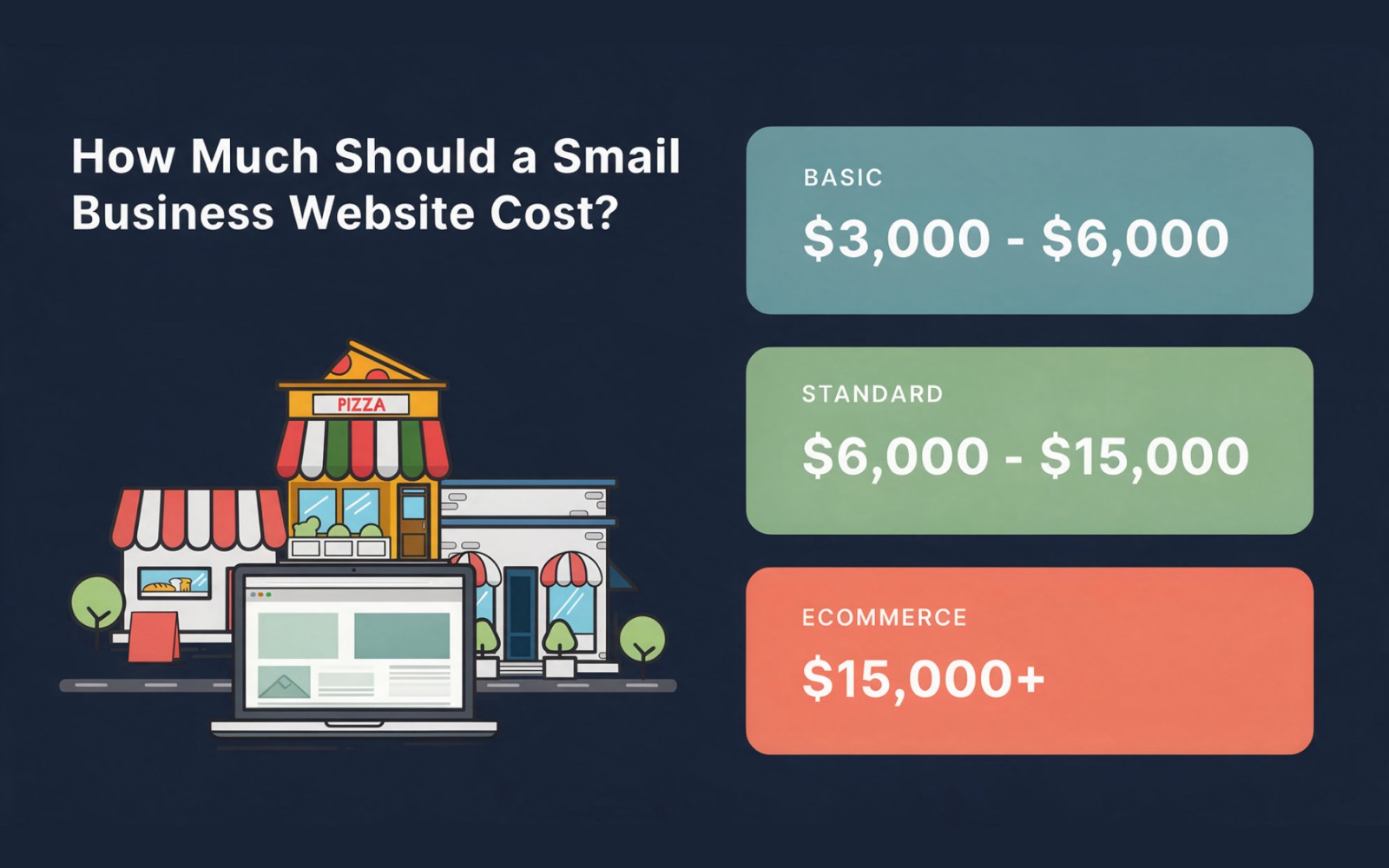
Most small business websites cost between $3,000 and $15,000, but the number depends on size, custom work, and how much content you supply. Here are the real 2026 figures, what drives the price, and the ongoing costs most quotes leave out.